Course Summary
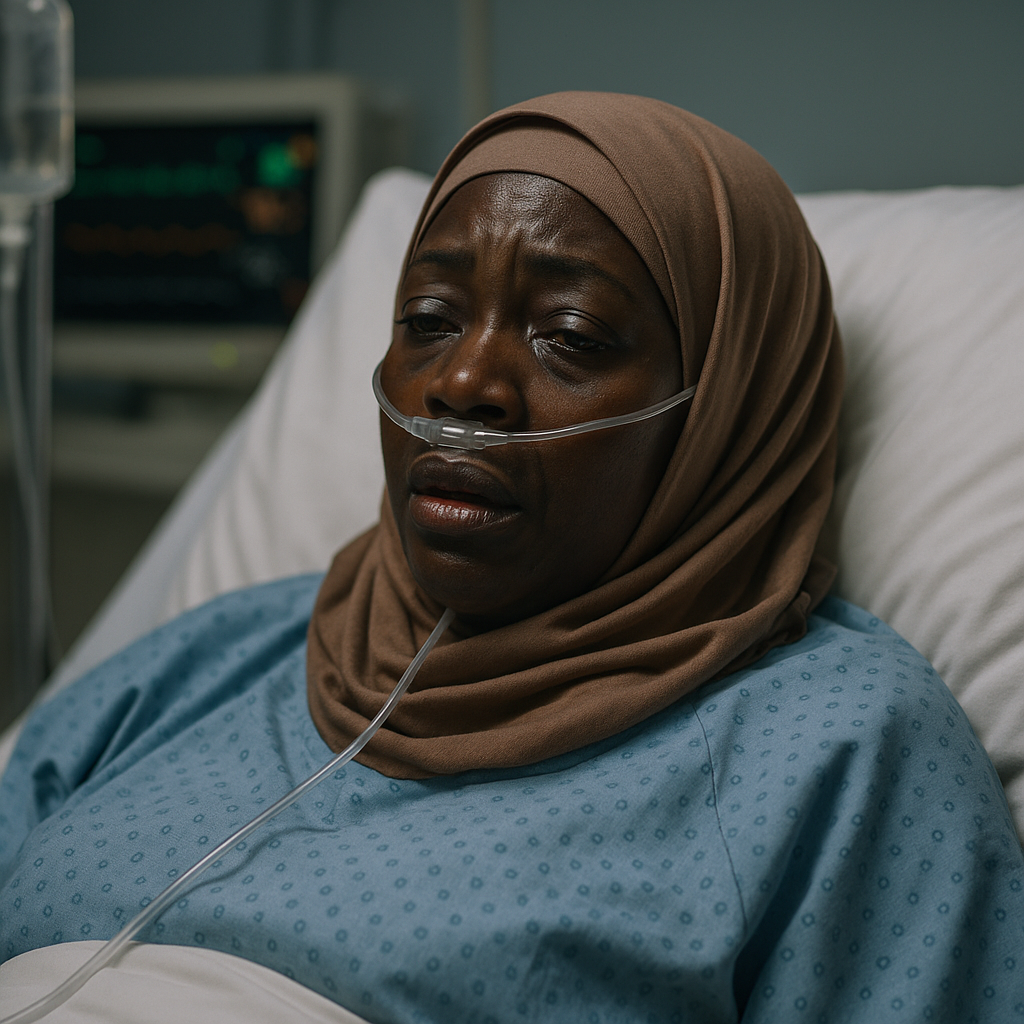
This two-hour continuing education course explores how cultural and physiologic factors intersect to create hidden risks in respiratory assessment—particularly among Muslim women who observe strict modesty practices and individuals with darker skin tones. Learners will examine how faith-based dress, gender norms, and modesty expectations may limit physical assessment and communication in clinical settings.
Special emphasis is placed on the bias inherent in pulse oximetry, which can overestimate oxygen saturation in patients with increased melanin. When coupled with facial coverings such as the burqa or niqab, these limitations can mask signs of respiratory distress and delay life-saving care.
Through evidence-based content, case simulation, and reflective discussion, nurses will gain the knowledge and cultural awareness needed to identify, assess, and intervene effectively when hypoxia is not readily visible. The course highlights both the ethical responsibility and practical skill required to protect dignity, equity, and safety in diverse patient populations.
Learning Objectives
Upon completion of this activity, the learner will be able to:
- Learners will demonstrate increased knowledge of pulse oximetry bias and hypoxemia assessment in diverse populations, as evidenced by achieving a score of 70% or higher on the post-test.
- Learners will report improved understanding of culturally sensitive care practices for Muslim patients, as evidenced by correctly answering case-based questions regarding modesty accommodations and emergency care priorities on the post-test.
- Participants will demonstrate competency in recognizing clinical signs of hypoxemia beyond pulse oximetry readings, as evidenced by correctly identifying respiratory distress indicators in the Mina Rahimi case study and achieving 70% or higher on assessment-related post-test questions.
- Learners will gain knowledge of arterial blood gas interpretation and oxygenation strategies, as evidenced by successful completion of post-test questions related to ABG analysis, FiO₂, and positioning techniques with a passing score of 70% or higher.
Required Disclosures
This nursing continuing professional development was approved by the Oregon Nurses Association, an accredited approver by the American Nurses Credentialing Center’s Commission on Accreditation.
Criteria for Awarding Contact Hours:
Participants must complete the full online course, participate in all learning activities, and achieve a score of 70% on the post-test to receive 2.0 contact hours.
Financial Relationships:
None of the planners, authors, or faculty have relevant financial relationships with ineligible companies to disclose.
Commercial Support:
No commercial support was received for this activity.
Expiration Date:
This enduring activity expires on [Month, Day, Year — usually two years from approval date].
Provider:
Health & Educational Consultants, DBA Nurse Re-Entry LLC., info@nursereentry.com